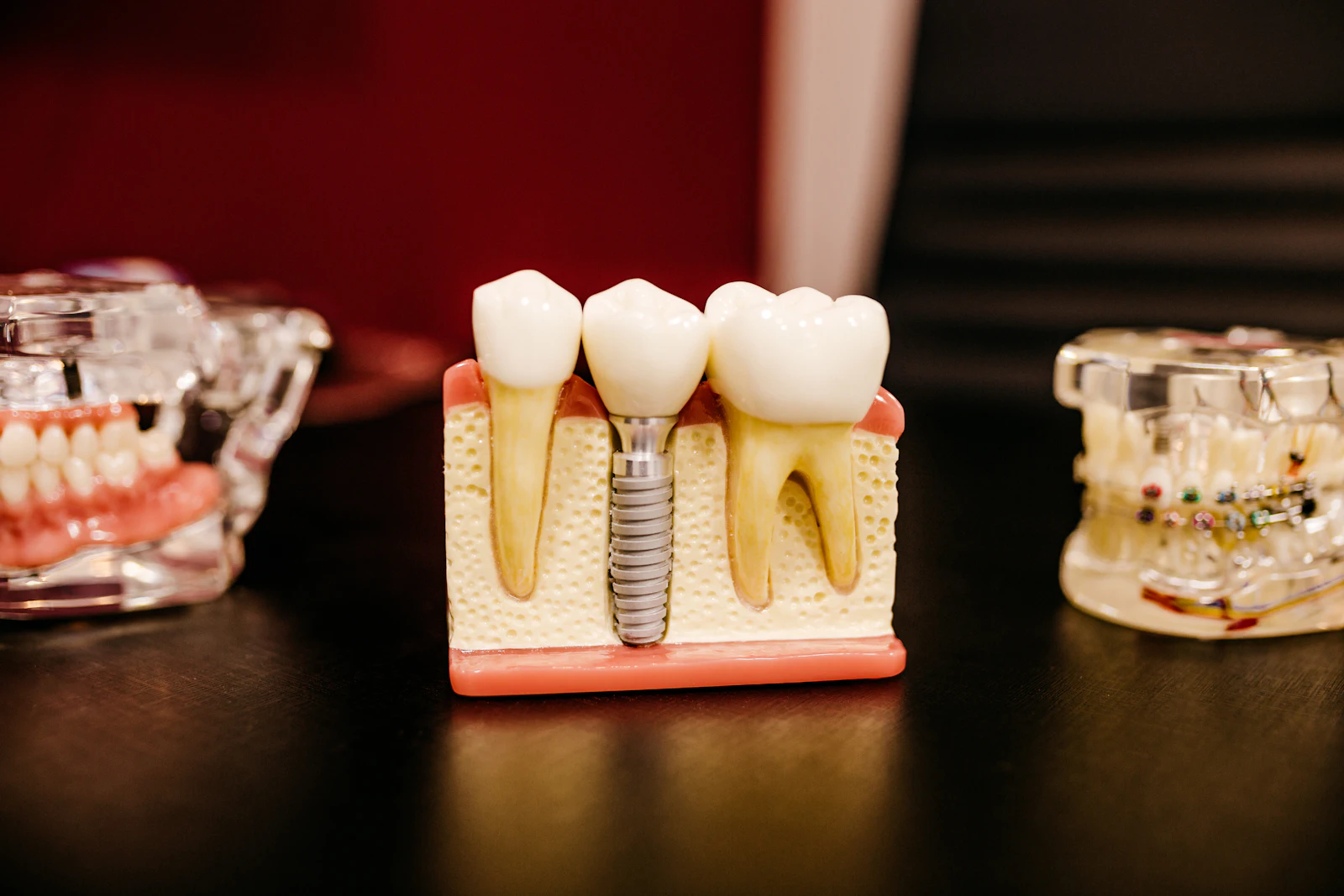
How dental implants work
An implant is a small post, usually titanium, placed in the jawbone to act as a tooth root. After it fuses with the bone (osseointegration), which commonly takes a few months, a crown, bridge or denture is attached. Some patients need a bone graft or sinus lift first.
What affects the cost
- Number of implants and the type of restoration (single crown, bridge, implant-supported denture or “All-on-4” style full arch).
- Whether you need extractions, bone grafts or a sinus lift.
- Imaging such as a CBCT 3D scan.
- Materials and the provider’s experience and location.
Always ask for an itemized written treatment plan. Prices are set by each practice, so compare more than one quote.
Insurance, Medicare and paying for implants
Some dental plans now cover part of implant treatment as a major service, subject to the annual maximum. Original Medicare does not cover implants, though some Medicare Advantage plans include limited dental benefits (see does Medicare cover dental?). HSA and FSA funds can usually be used. Many practices offer financing; read the terms carefully, especially deferred-interest offers.
Your free implant consultation
Many implant practices offer a free first consultation. Ask whether the 3D scan is included, who will place the implant (general dentist, periodontist or oral surgeon), and what happens if an implant fails. Our consultation checklist has more questions.
Last updated: 15 October 2026


