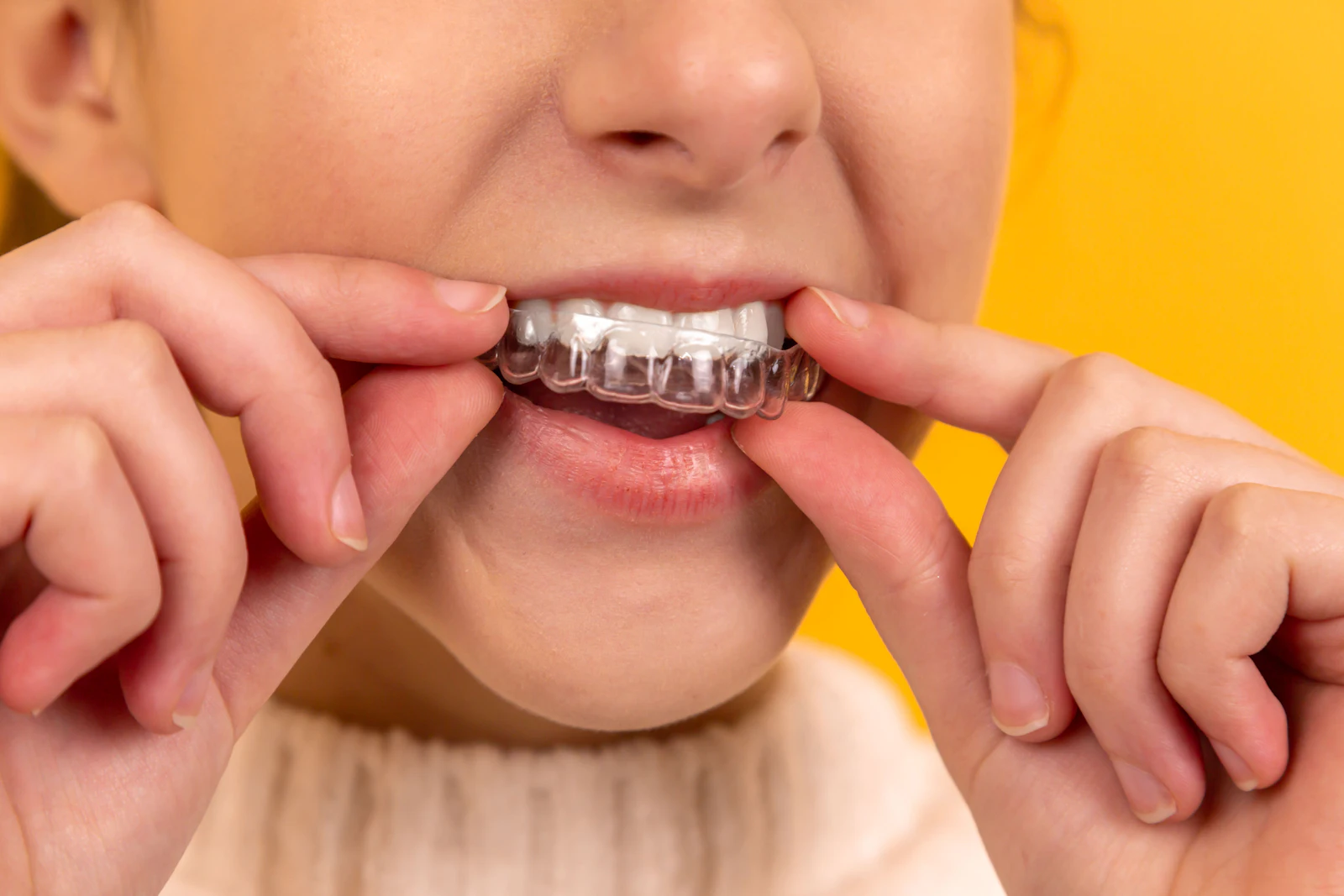
Aligners vs braces
| Clear aligners | Traditional braces | |
|---|---|---|
| Look | Nearly invisible | Visible (ceramic options less so) |
| Removable | Yes; must be worn most of the day | No |
| Best for | Mild to moderate cases (and more with expert planning) | Simple to complex cases |
| Discipline needed | High: results depend on wear time | Lower |
In-office vs direct-to-consumer aligners
Aligners prescribed and monitored in person by an orthodontist or dentist allow X-rays, regular check-ins and adjustments. Mail-order aligner models with less in-person supervision have been around for years, but the American Association of Orthodontists recommends an in-person exam before starting treatment. See our detailed comparison.
Insurance for orthodontics
Many dental plans include orthodontic coverage for children under a set age, often with a separate lifetime maximum; adult orthodontic coverage is less common. Medicaid and CHIP may cover medically necessary orthodontics for children. HSA and FSA funds can usually be used for braces and aligners.
Last updated: 15 October 2026


