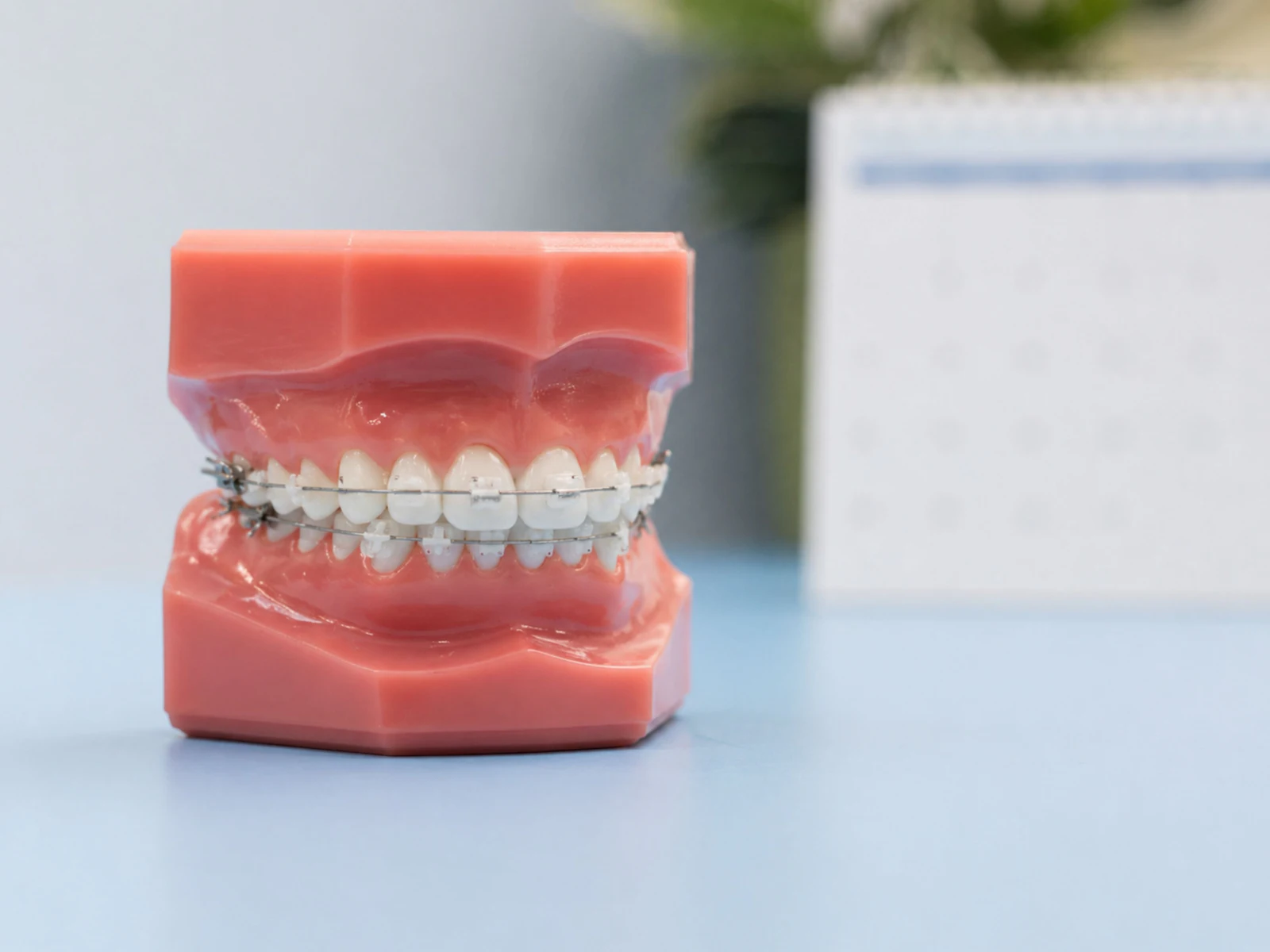
How each works
Braces use brackets bonded to the teeth and wires adjusted by the orthodontist. Options include metal, ceramic (tooth-colored) and lingual braces placed behind the teeth. Clear aligners are a series of removable plastic trays, each moving teeth slightly, usually worn for most of the day.
Pros and cons
| Aligners | Braces | |
|---|---|---|
| Appearance | Nearly invisible | More visible |
| Eating | Remove to eat; no food restrictions | Avoid hard and sticky foods |
| Cleaning | Brush and floss normally | Takes more effort |
| Compliance | Results depend on wear time | Always working |
| Complex cases | Increasingly possible, depends on case | Handles the widest range |
Cost and coverage
Cost depends on case complexity and treatment length more than on the appliance. Dental plans with orthodontic benefits may cover part of either, often up to a lifetime maximum, and HSA/FSA funds can be used. Book a free orthodontic consultation to get a personalized plan, and see kids’ dental coverage.
General information, not medical, legal or insurance advice. This post reflects the position on the date shown. Check the official sources below for the latest rules.
Last updated: 15 October 2026


