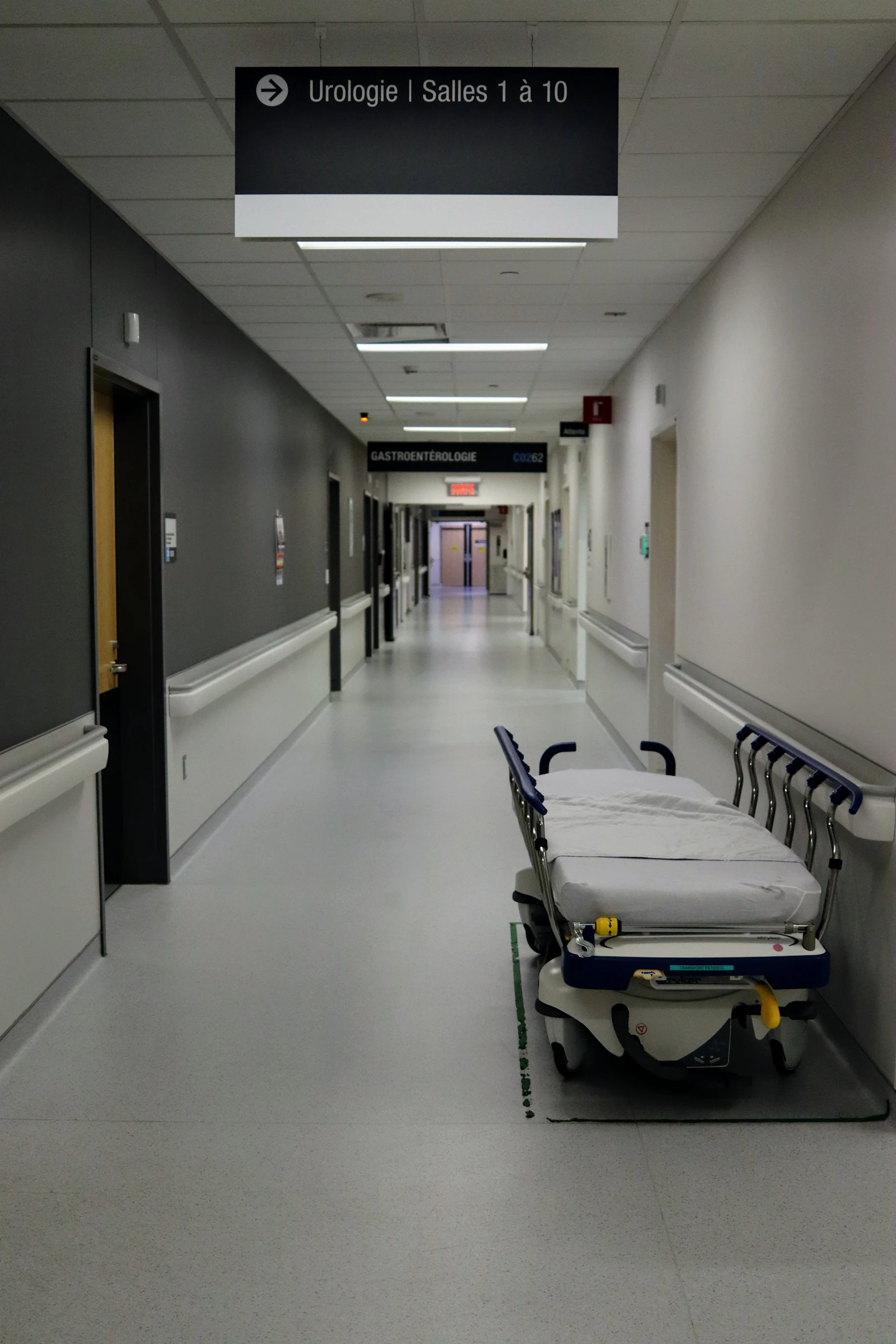
Common risks
- Infections, including antibiotic-resistant infections.
- Blood clots, made more likely by flying soon after surgery.
- Differences in standards for training, equipment and medications.
- Language barriers and unclear consent.
- Limited legal recourse if something goes wrong.
- Difficulty getting follow-up care and revisions at home.
Dental work abroad
Extensive treatments such as full-mouth crowns or “all-on-4” implants often need several visits and adjustments over months. Ask how follow-up will work, and be aware that some US dentists may be reluctant to adjust work done elsewhere. Compare with US options: see dental implants and veneers.
If you go anyway
- Follow CDC medical tourism guidance and see a travel health provider beforehand.
- Check the provider’s qualifications and the facility’s accreditation.
- Get all agreements and records in writing, in English.
- Plan enough recovery time before flying home.
- Arrange follow-up care in the US before you leave.
General information, not medical, legal or insurance advice. This post reflects the position on the date shown. Check the official sources below for the latest rules.
Last updated: 15 October 2026


